3D Virtual Tour vs 360 Tour for Real Estate
A 3D virtual tour builds a dollhouse model of a property. A 360 tour links panoramas room to room. How they differ, what each costs, and which listings need which.
A 3D virtual tour and a 360 virtual tour put a buyer in the same seat: inside the property, steering the view themselves. The difference is under the hood.
A 3D tour, and Matterport is the name most people know, scans the home into a measurable dollhouse model. A 360 virtual tour links high-resolution panoramas together, room to room. For most real estate listings, the 360 tour gives potential buyers the same self-guided experience at a fraction of the cost.
We’re OpenDoors360. We shoot 360 virtual tours and HDR photography across New York City and Baltimore, and we’ve watched buyers use both formats since 2020. Here’s the honest comparison, including where the pricier option earns its keep.
- 3D virtual tour: a scanned, measurable model of the property with a dollhouse view. Matterport leads this category.
- 360 virtual tour: linked 360-degree panoramas a viewer walks through in any browser. Ours starts at $300 with six months of hosting.
- The buyer experience is nearly identical on a phone or laptop. Click, look around, move to the next room.
- The real differences: the dollhouse view, measurement tools, capture time, and price.
- Our take: most listings only need a 360 tour. Commercial spaces and unusual layouts are where 3D scanning earns its cost.

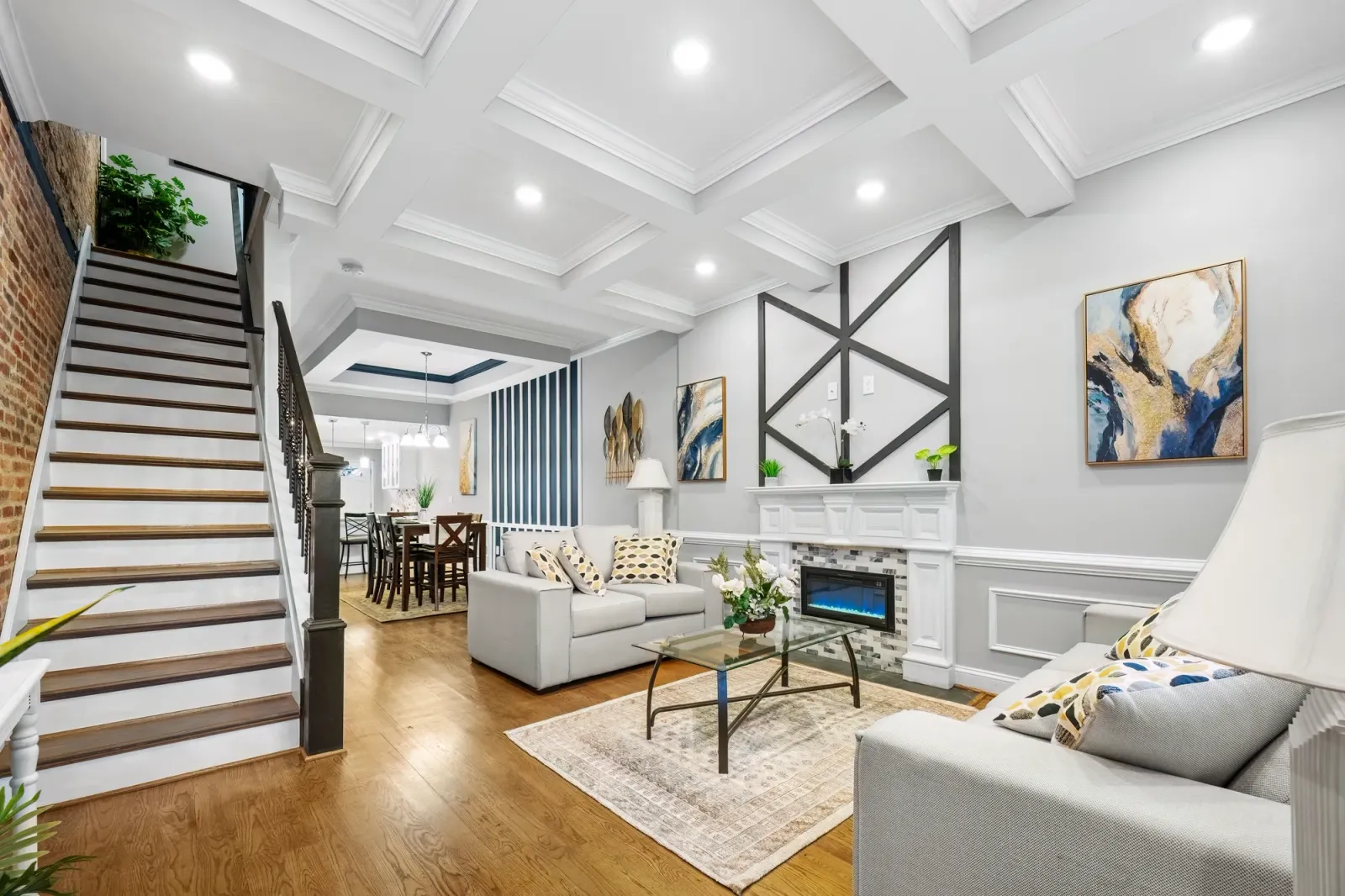
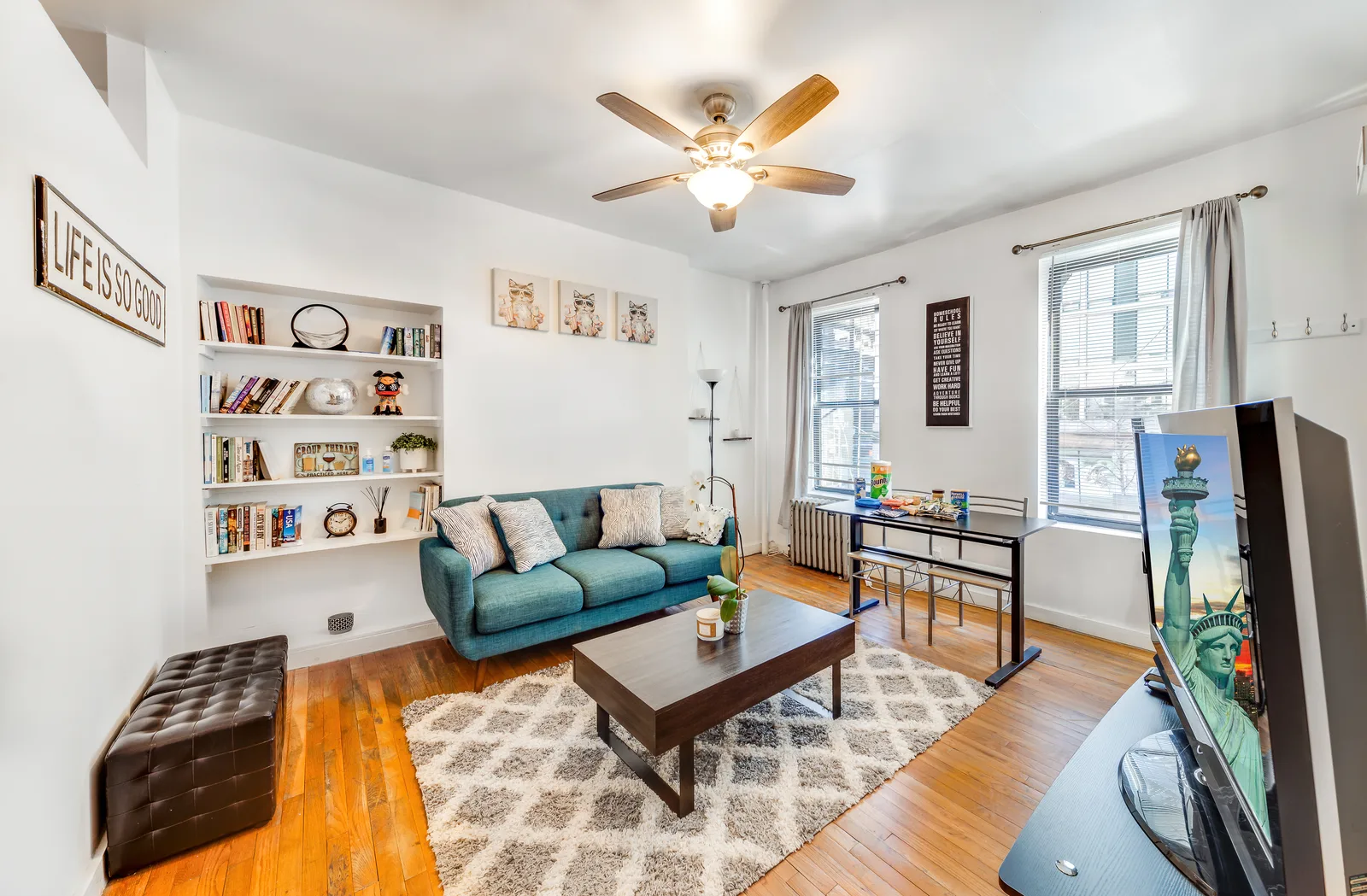
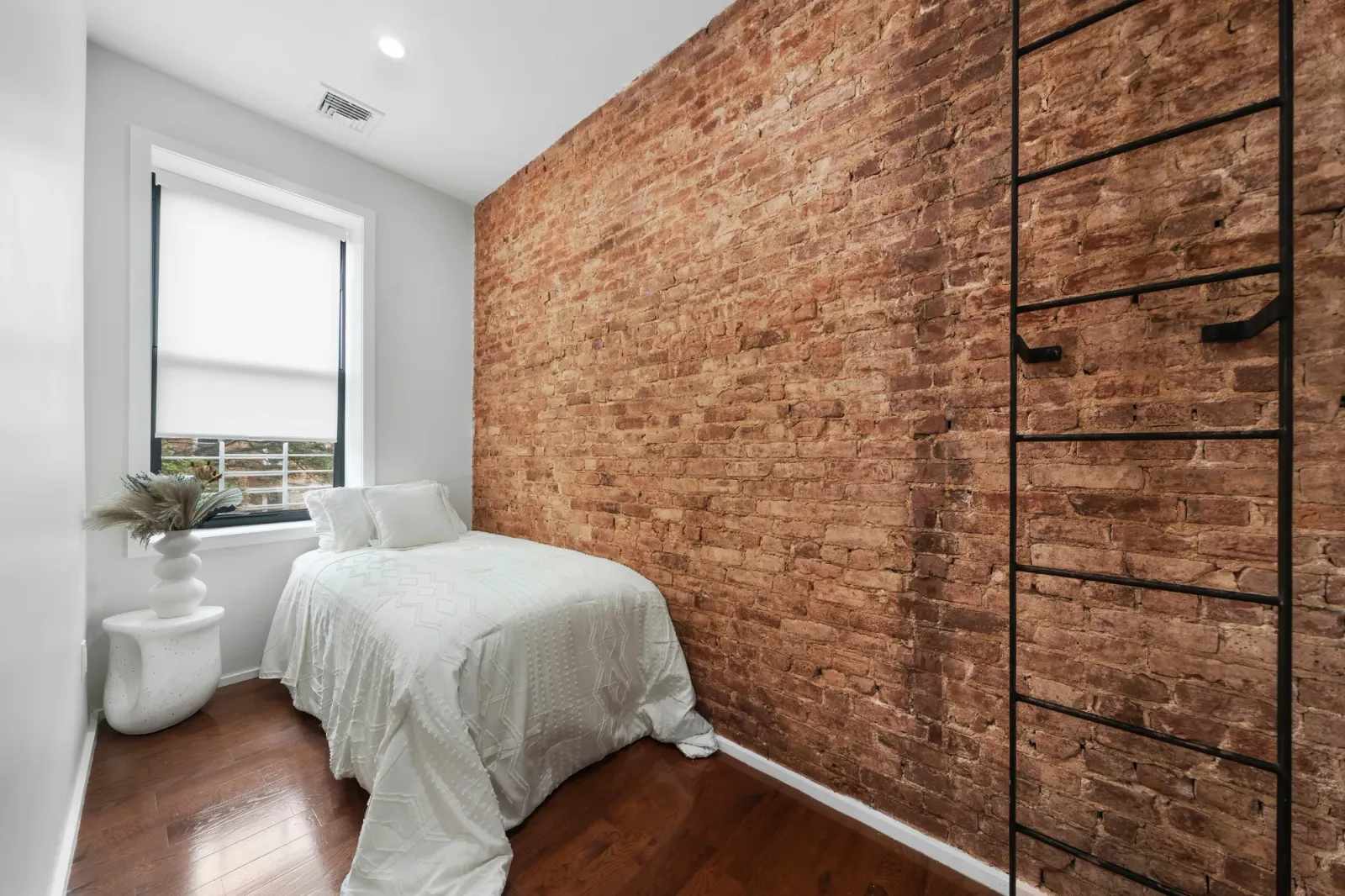
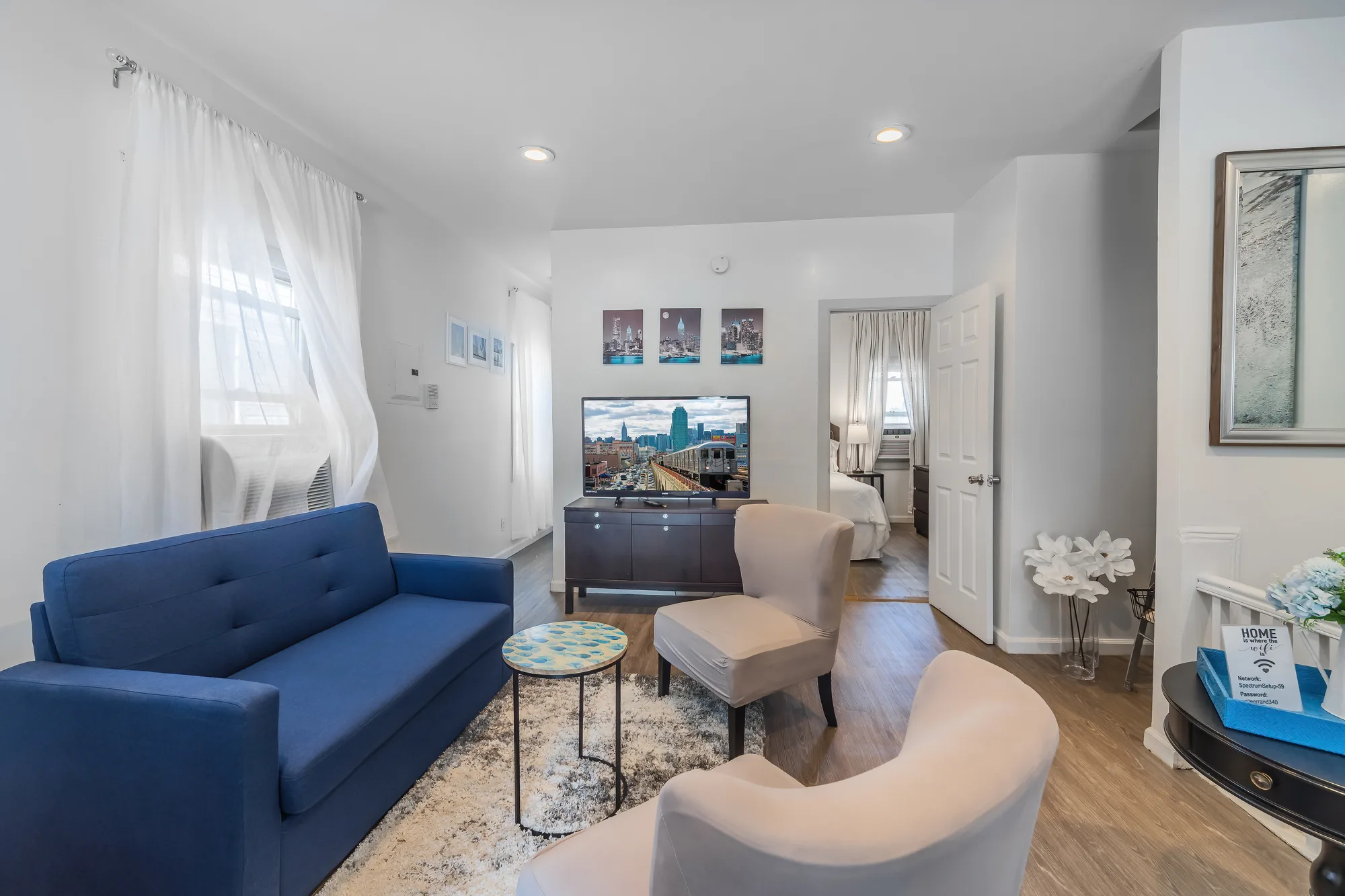
Before the definitions, here’s the thing itself. This is one of our 360 virtual tours, a New York loft. Click in, look around, walk from room to room. Everything below compares this experience against the pricier 3D-model version.
What is a 3D virtual tour?
A 3D virtual tour is an interactive model of a property built by scanning every room with a depth-sensing camera. The software stitches those scans into a walkable replica, and it’s the format apps like Zillow surface when a real estate listing says 3D Home. You get the same click-through-the-rooms navigation as any virtual tour, plus two things a flat panorama can’t do: a dollhouse view that shows the whole property as a floating model, and measurement data accurate enough to generate an interactive floor plan.
That model is sometimes called a digital twin, and Matterport built its name on it. It’s genuinely useful technology. An architect can pull dimensions off it. A facilities team can document a warehouse with it. A relocation buyer can measure whether the sofa fits the parlor wall without flying in.
The tradeoffs are time and money. A Matterport-style scan captures every room from many points, so a large property takes real hours on site. The platform charges monthly hosting, the camera rig is specialized, and the per-listing price runs well above a panorama-based tour.
The dollhouse view is the whole argument for 3D. Everything else, a 360 tour already does.
What is a 360 virtual tour?
A 360 virtual tour is a set of 360-degree photos linked together so a viewer can stand in each room, look in any direction, and click through the property at their own pace. Interactive hotspots connect the rooms, it runs in any browser, no app, no headset. We wrote a full plain-English guide to what a 360 virtual tour is, but the short version: it hands the camera to the buyer.
Shooting one is fast. We capture the 360-degree panoramas with a dedicated 360 camera during the same visit as the listing photos, the processing happens in editing, and the finished tour lives at a hosted link you drop into the MLS, an email, or a listing page. Our 360 virtual tours start at $300 and include six months of hosting.
What you give up against a 3D scan is the dollhouse model and the measurement layer. What you keep is everything home buyers actually do with a tour: walking the space, checking the flow, deciding whether the real estate listing is worth a showing. That’s the tour you walked at the top of this page.
3D tour vs 360 tour: the real differences
Here’s the side-by-side we walk sellers and listing agents through. The buyer-facing experience sits in the first row on purpose, because it’s the one that matters most and the one where the two formats barely differ.
| 360 virtual tour | 3D virtual tour (Matterport-style) | |
|---|---|---|
| Buyer experience | Self-guided, look anywhere, room to room | Same, plus a dollhouse overview |
| Dollhouse / model view | No | Yes |
| Floor plan | Add-on, drawn separately | Generated from the scan |
| Measurements | No | Yes, from the model |
| Time on site | Fits inside a photo shoot | Hours of dedicated scanning for a full house |
| Works on phone / browser | Yes | Yes |
| MLS and Zillow friendly | Yes, hosted link | Yes, hosted link or Zillow’s own app |
| Typical cost structure | Flat per shoot, from $300 with us | Hardware plus monthly hosting plus a higher per-listing fee |
| Best for | Most residential listings and rentals | Commercial, architecture, complex layouts |
One nuance worth naming. Zillow offers a free 3D Home app that lets an agent capture a simple panorama tour on a phone, and we broke down exactly how it works in our Zillow 3D tour guide. It’s better than nothing. It’s also visibly a phone capture, and on a competitive listing in Manhattan or Federal Hill, the gap between a phone panorama and a professionally lit, professionally stitched tour is the gap potential buyers register between a listing that looks marketed and one that looks logged.
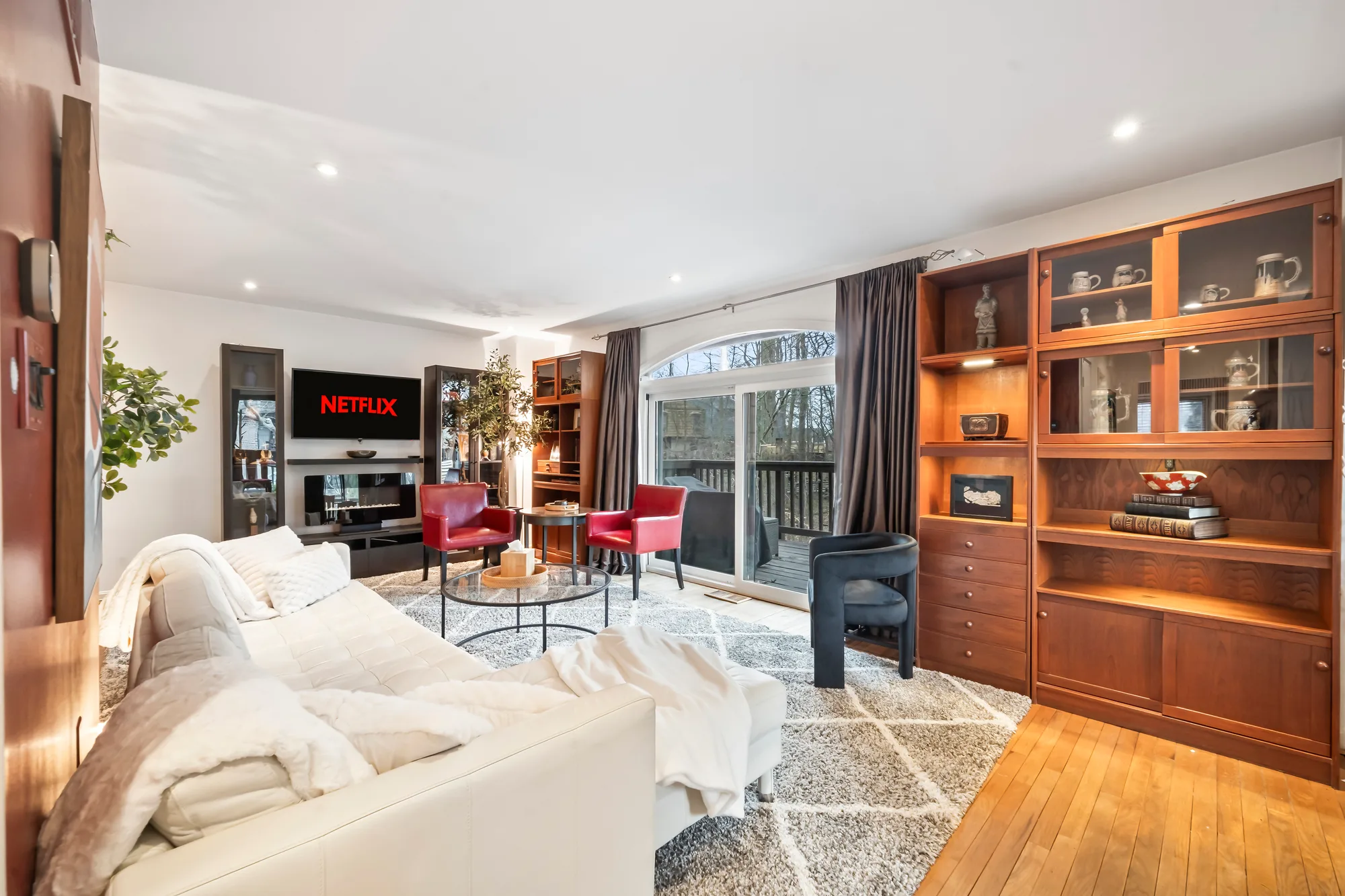
Buyers don't ask what software built the tour. They ask if they can see the kitchen from the hallway.
Do 3D tours help sell houses?
Yes, in the sense that any good virtual tour helps a sale: it pre-qualifies interest before a showing. Home buyers who have already walked the property digitally show up knowing the layout, and the ones who would have bounced at the narrow galley kitchen never book the appointment. That saves the seller weekends and keeps showing traffic serious.
The engagement is real and measurable. Two 360 tours we produced, the Weeksville Heritage Center in Brooklyn and a Philadelphia venue, have passed 47,000 and 51,000 views on Google.
Real estate professionals tell us the same thing from the sales side. A tour on the listing filters the call list, so the agent spends Saturday with three potential buyers who already like the property instead of eight who are guessing. Video does a version of this too, and plenty of listings run a walkthrough video and a tour together, but the tour is the one buyers control.
Where the answer gets more specific: the format matters less than the coverage. A tour that skips the basement raises more questions than it answers. Whole-property capture, honest angles, and even lighting move real estate listings regardless of whether a dollhouse model sits on top.
For sellers weighing the spend, the math is simpler than the technology. A 360 virtual tour costs about as much as one week of a price reduction conversation. If it books two extra serious showings, it paid for itself.
Want a 360 tour on your next listing?From $300, six months of hosting included. Shot across NYC and Baltimore.
See 360 virtual tours →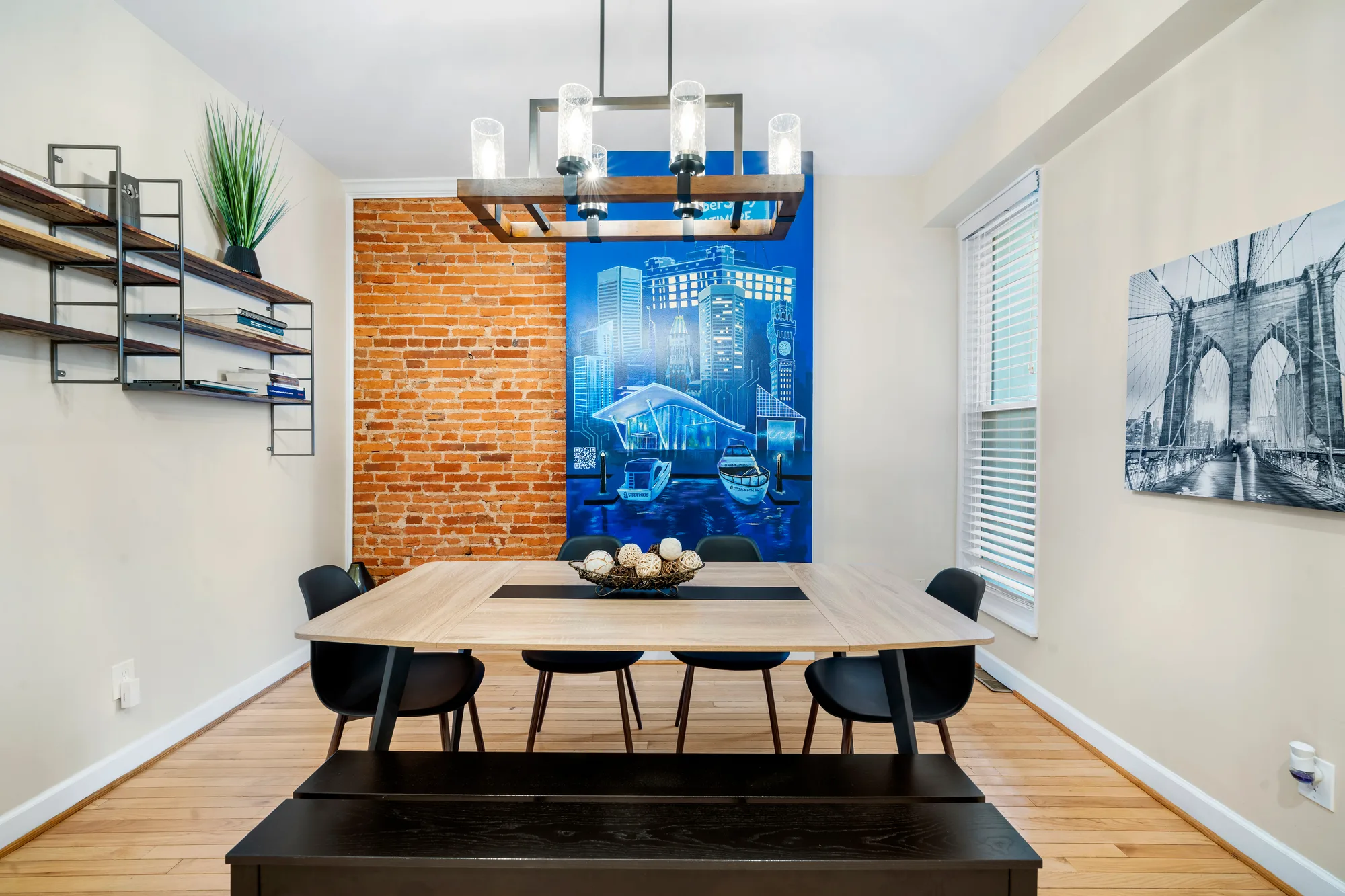
Which one does your listing need?
Our honest recommendation, by property type. We sell 360 tours, so read this knowing that, but the logic holds either way.
Apartments, condos, and co-ops. A 360 tour, no contest. The unit is a handful of rooms, the dollhouse view adds little, and the tour’s job is showing light, flow, and finishes. This covers most of the properties we shoot in New York City, and most of the listings, period.
Single-family homes and townhouses. A 360 tour for the listing, with a drawn floor plan added if the layout is the selling point. A Woodhaven two-family or a South Baltimore rowhome doesn’t need a measurable mesh model to sell, it needs potential buyers to feel the parlor floor.
Short-term rentals. A 360 tour, embedded on the direct-booking site. Guests want to verify the property is real and the photos weren’t generous, and the tour does that in thirty seconds.
Luxury properties and new development. Either format works, and here the 3D model’s polish can justify itself, especially when marketing to out-of-town buyers who’ll never visit before the offer. This is the one residential tier where we tell clients the extra spend on a Matterport-style scan is defensible.
Commercial, institutional, and pre-construction. This is 3D scanning territory when documentation is the goal, and 360 territory when marketing is. We’ve built 360 tours for schools, storage facilities, and event venues where the point was letting a family or a booking client walk the building. When a client needs measurable as-built documentation of a property instead, that’s a different tool for a different job.
Here’s one of those institutional tours, the Weeksville Heritage Center in Brooklyn. Same 360 format as the loft at the top, a very different building.
Match the tour to the job. Marketing wants a 360. Measurement wants a 3D scan.
What we shoot, and what it costs
OpenDoors360 produces 360 virtual tours, HDR photography, and real estate video walkthroughs across New York City’s five boroughs and Baltimore. Colin shoots New York. A Baltimore-based photographer shoots Maryland, booked through Willis. All three services are available in both markets, booked as one shoot. The 360 virtual tour starts at $300 for properties up to 1,500 square feet, includes six months of hosting on a link you can embed anywhere, and scales with square footage from there. Bundled with HDR photos and a walkthrough video, the full media set starts at $575.
Every shoot is HDR, delivery runs 24 to 48 hours, and twilight photography and virtual staging are available as add-on services. We publish the whole rate table rather than making agents and realtors call for a number. If you’re weighing a tour for a specific property, contact us with the address or call or text (701) 566-9171 and we’ll tell you what we’d shoot and what it’ll run. No discovery call required.
FAQ: 3D and 360 virtual tours
What’s the difference between a 3D tour and a 360 virtual tour?
A 3D tour scans the property into a measurable model with a dollhouse view. A 360 virtual tour links panoramic photos room to room. Both let a buyer walk the space in a browser; the 3D version adds measurement and modeling on top, at a higher price.
How much does a 360 virtual tour cost?
Ours starts at $300 for properties up to 1,500 square feet and includes six months of hosting. Pricing scales with interior square footage, and the full table is public on our 360 virtual tours page.
How much does a Matterport 3D tour cost?
More than a panorama tour, in structure and in total. Expect specialized capture hardware, a monthly hosting subscription for the model, and a per-listing fee that runs well above a flat 360 shoot. For teams scanning constantly the subscription can make sense; for a single listing it usually doesn’t.
Do 3D tours help sell houses?
3D tours help sell houses the same way any complete virtual tour helps: buyers pre-screen the property, so the showings that happen are serious. Coverage and image quality drive that effect more than the dollhouse model does.
Does Zillow do 3D tours?
Yes. Zillow has a free 3D Home app that agents can use to capture phone-based panorama tours, and listings can also carry a hosted link to a professional tour. The phone version costs nothing but looks like a phone shot it.
Can realtors do virtual tours themselves?
They can, with a phone app and patience. The result shows the phone: uneven exposure between rooms, stitching seams, and blown-out windows. On a listing where the commission justifies professional photos, it justifies a professional tour.
Do virtual tours work on a phone?
Yes. Both formats run in a normal mobile browser. A buyer taps the link from the listing, gets the full 360-degree view by dragging or tilting the phone, and moves room to room. No app download, no headset.
How long does a 360 virtual tour take to shoot?
A 360 virtual tour shoot rides along with the photo shoot. Most of our shoots run one to three hours on site depending on the property’s size, and the 360 capture happens in that same window. The finished tour is delivered as a hosted link.
Do I need a floor plan with a virtual tour?
For most listings the tour answers the layout question by itself. When a floor plan earns its place, unusual layouts or buyers comparing square footage on paper, it can be produced alongside the tour. A 3D scan generates one automatically; with a 360 tour the floor plan is drawn separately.
Are 3D tours worth it for apartments and rentals?
Rarely. An apartment is a short walk, and a 360 virtual tour shows every room, the light, and the flow for a flat fee. The measurable model earns its cost on commercial space and complex buildings, not on a one-bedroom.
Is a video walkthrough the same thing as a virtual tour?
No. A video walkthrough is a guided, one-take clip the viewer watches; a virtual tour is interactive and self-paced. They do different jobs, and plenty of listings run both: video for the feed scroll, the tour for the serious buyer.