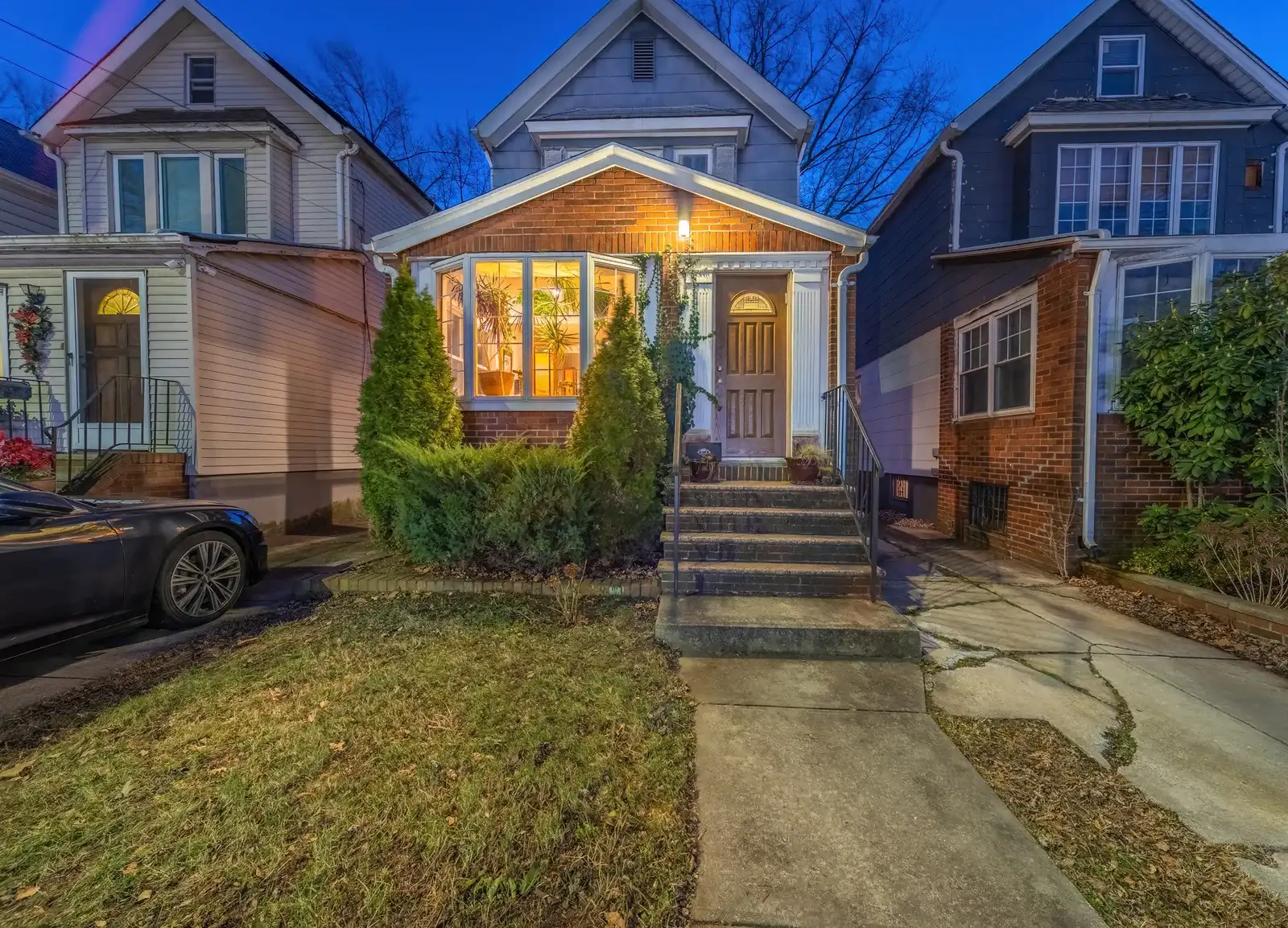
Real Estate Photography Cost Explained
What real estate photography costs in New York and Baltimore, with real pricing by square footage, what moves the number, and which add-ons are worth it.
You want a number. Most people end up on this page because a listing is about to go live, and the photographer’s estimate either seemed fair or seemed like a shrug.
Here’s the honest version. Real estate photography costs run roughly $150 to $500 for a standard single-family home, and the national average cost you see quoted online sits around $110 to $300 a shoot. We’re OpenDoors360, we shoot across New York City and Baltimore, and the prices below are what we actually charge. They come straight off our own invoices, from real shoots in real apartments and row houses.
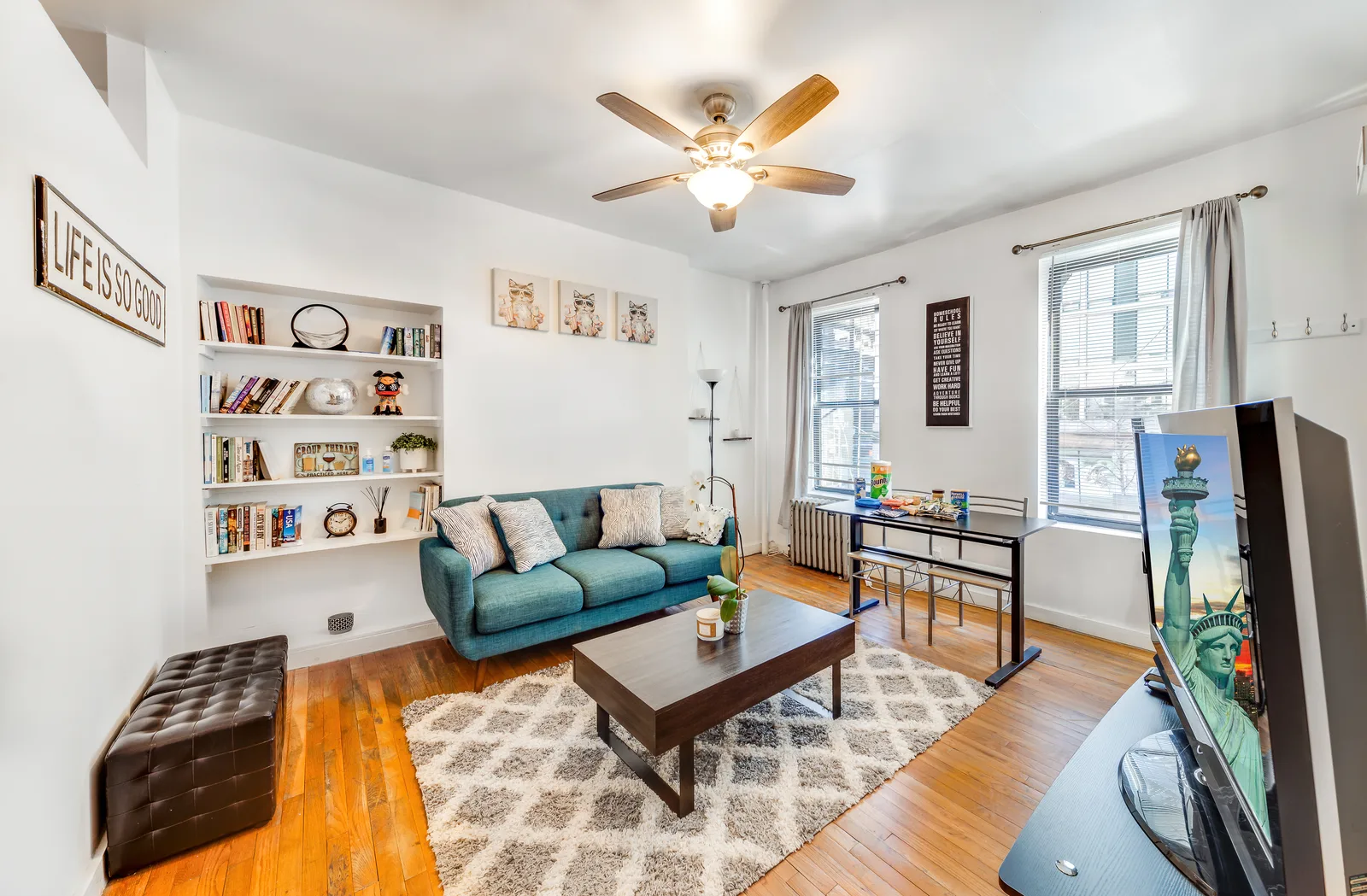
What does real estate photography cost?
HDR real estate photography starts at $200 for a home up to 1,500 square feet, and it is the only quality we deliver because it is what most listings actually need. Past 1,500 square feet the rate steps up with the house. Video, a 360 tour, or drone work each sit on top of that as their own line.
That national average gets tossed around everywhere, and it’s pretty useless on its own. A studio and a 4,000 square foot house are not the same job. Real estate photography pricing that ignores size either overcharges the small places or undercharges the big ones, so most pros, us included, price by square footage instead.
| Service | 0-1,500 sq ft | 1,500-2,500 | 2,500-3,500 | 3,500-4,500 | 4,500-5,500 |
|---|---|---|---|---|---|
| HDR photography | $200 | $275 | $375 | $475 | $575 |
| 1-take walkthrough video | $150 | $200 | $250 | $300 | $350 |
| 360 virtual tour | $300 | $400 | $500 | $600 | $700 |
Anything over 5,500 square feet goes to a custom quote. No photo minimums either, so a one-bedroom condo pays like a one-bedroom condo.
Pricing should feel like a menu, not a drawn-out negotiation.
What actually drives the price
Five things move the number. Once you can name them, a quote stops feeling like a wild guess.
Square footage. A photographer works a home room by room, so more floor space means more frames, more lighting, more editing. Bigger homes get bumped to higher tiers. A chopped-up floor plan takes more setups than an open one of the same square footage, which is why two houses identical in size can still quote differently. Some shooters price by the foot, others in tiers like we do.
Processing. HDR blends several exposures per frame so the windows don’t blow out and the light reads the way your eye saw it. That takes more time at the computer, and it’s the gap between a phone shot and a listing photo that holds up. Good glass makes a difference too. A full frame camera and a wide angle lens pull clean files out of the dim, mixed-light interiors that wreck a phone.
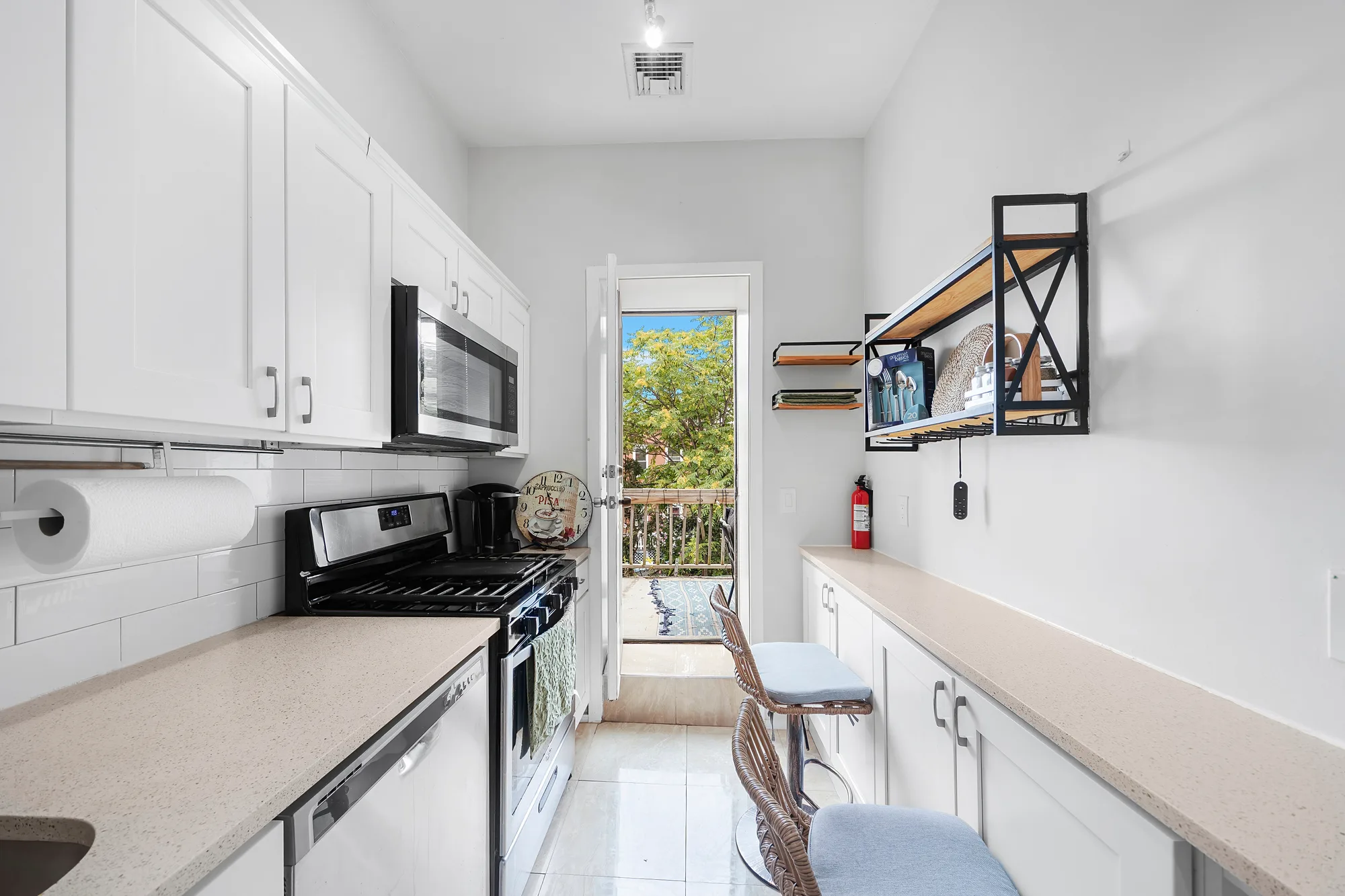
Add-on services. Video, a 360 tour, drone, twilight, virtual staging. Each one is priced on its own, and each one is an additional cost worth taking only when the listing calls for it.
Market. Real estate photographers charge more in New York than in a small town. Demand is higher, a crosstown trip can eat an hour, and everything from parking to insurance costs more in the city. That’s why what photographers charge in one market rarely matches another, and some add travel fees once a job sits outside their usual radius.
Turnaround. Rush delivery shows up as a paid line on plenty of price lists. Our standard window is 24 to 48 hours, and we don’t bill anything for it.
A flat rate is just a price that's wrong for every house but the one it was built around.
How many photos do you get?
This is the question we get most, and the answer is that it scales with the home. A standard set is about 25 to 40 final images, more for bigger homes. The number that matters in real estate photography is coverage, and there’s a point where more frames stop telling a buyer anything new.
Every room. The exterior photos that sell the curb appeal. The details a buyer slows down for. Twenty shots of the same empty corner won’t do anyone any good, though. A tight edit of strong frames beats a bloated gallery, and buyers can smell when it’s been padded.
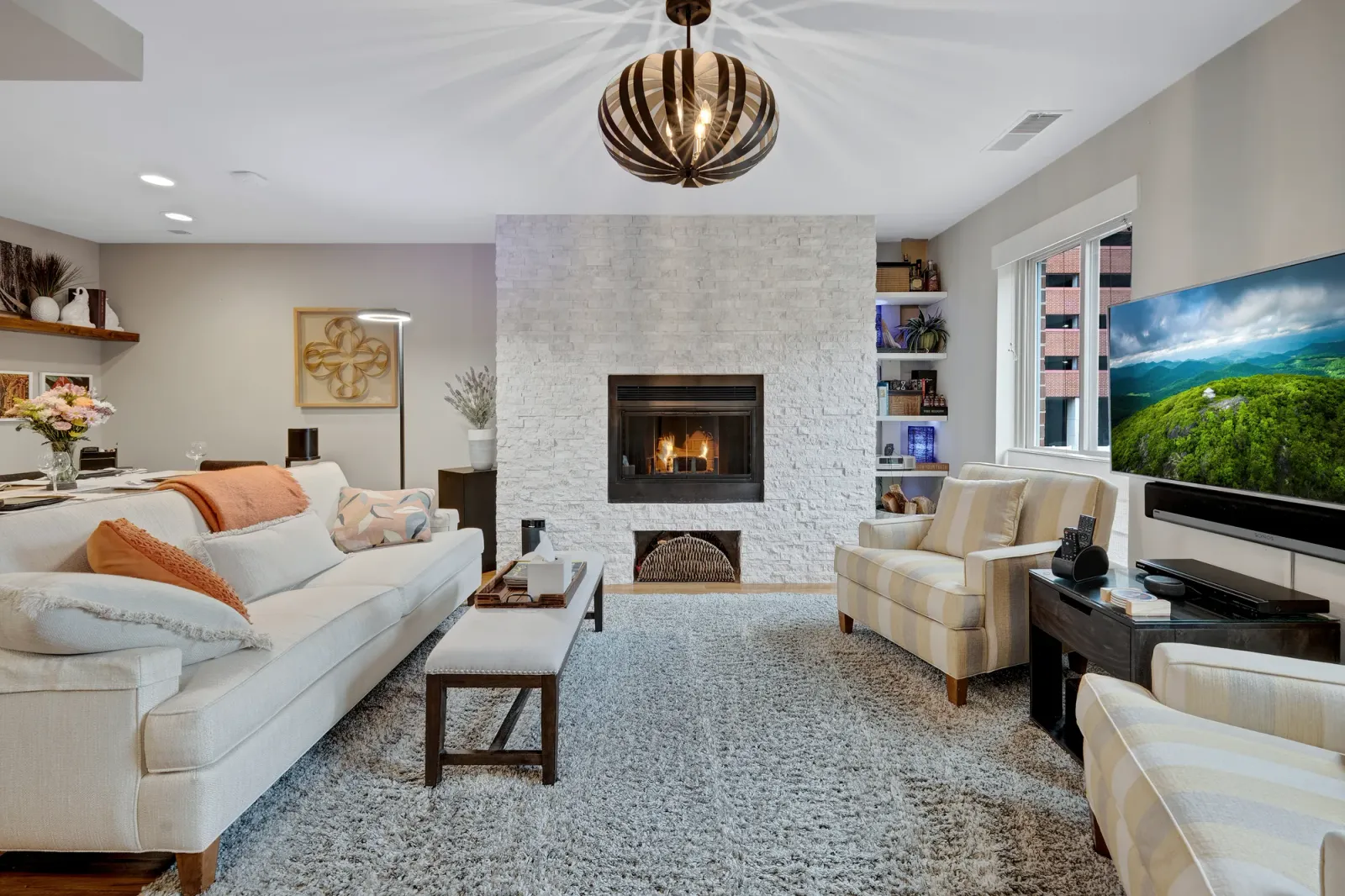
The add-ons, and whether they’re worth it
The base shoot covers the listing. Everything below is for the property that needs more than that, and most photographers offer some version of the same menu.
Video and 360 tours. A one-take walkthrough video starts at $150 and gives a buyer the flow that stills can’t. A 360 virtual tour starts at $300 with six months of hosting, and it lets someone walk the place at midnight from three states away. On higher-end or out-of-town listings, virtual tours are close to expected. We go deeper on both on the video walkthroughs page.
Drone and aerial. Real estate drone photography does something a ground shot can’t. It shows the property lines, the roof condition, and where on the street the house sits. Our drone work starts at $250 and comes back as both drone photos and drone footage, edited and ready to post. One catch: we can only do it in New York, where Colin handles the airspace and permitting.
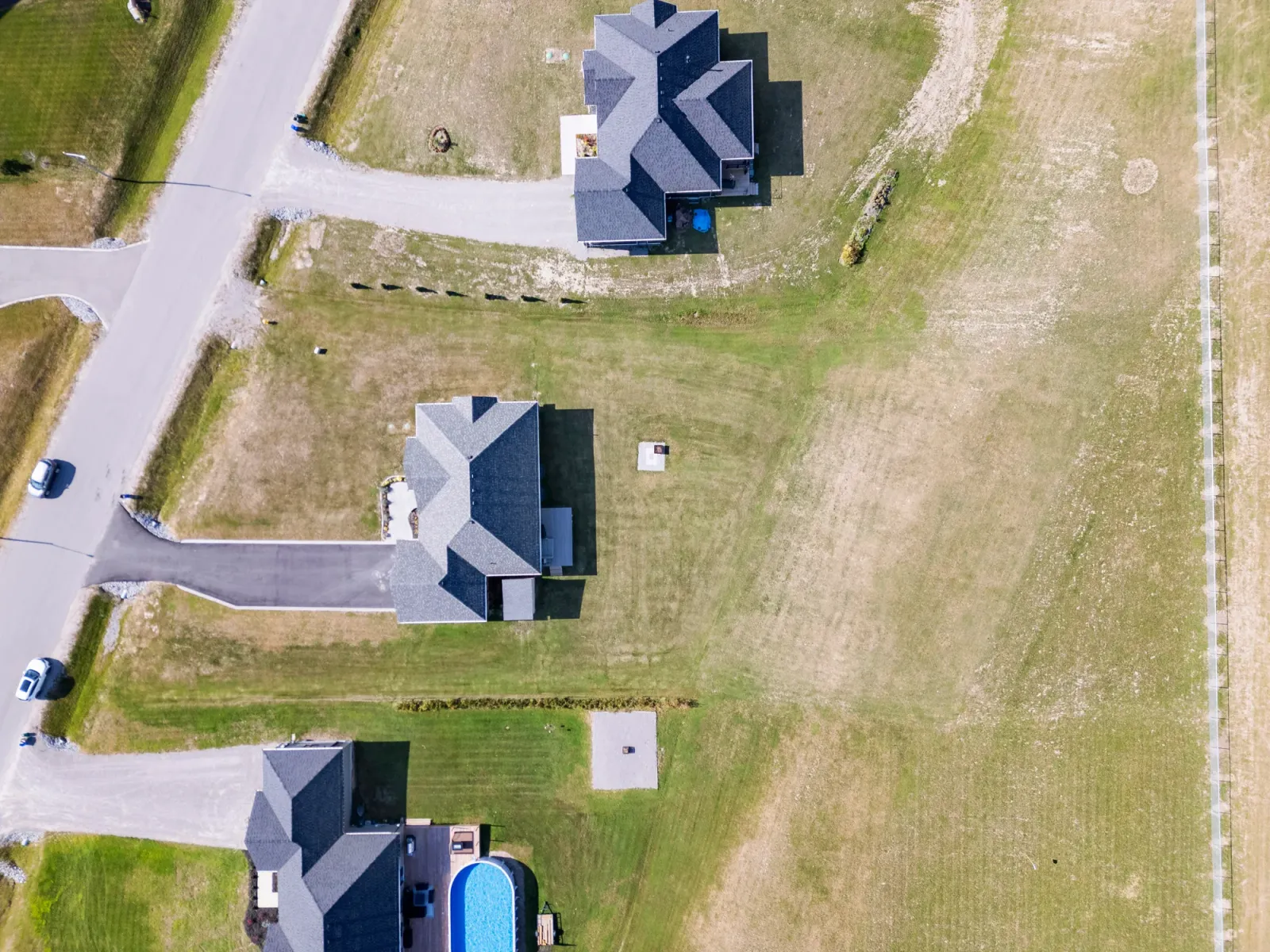
For waterfront, big-acreage properties, or anywhere the view is the selling point, those aerial shots earn top billing fast.
Twilight and virtual staging. Twilight photography catches a home as the sun sets with the lights on inside, and that one warm photo usually ends up the star of the listing. We can shoot it on request. Virtual staging drops furniture into an empty room digitally at $50 per image, well under what it costs to truck real furniture in and haul it back out, so a luxury property sitting empty starts to look like somewhere people would actually want to live.
You add what the listing needs. You skip the rest.
Do realtors actually pay for this?
Usually, yes. The listing agent handles photography out of the marketing budget, and it gets folded into the cost of selling the house. Some real estate agents bill it back to the seller, but most treat it as a cost of winning the listing.
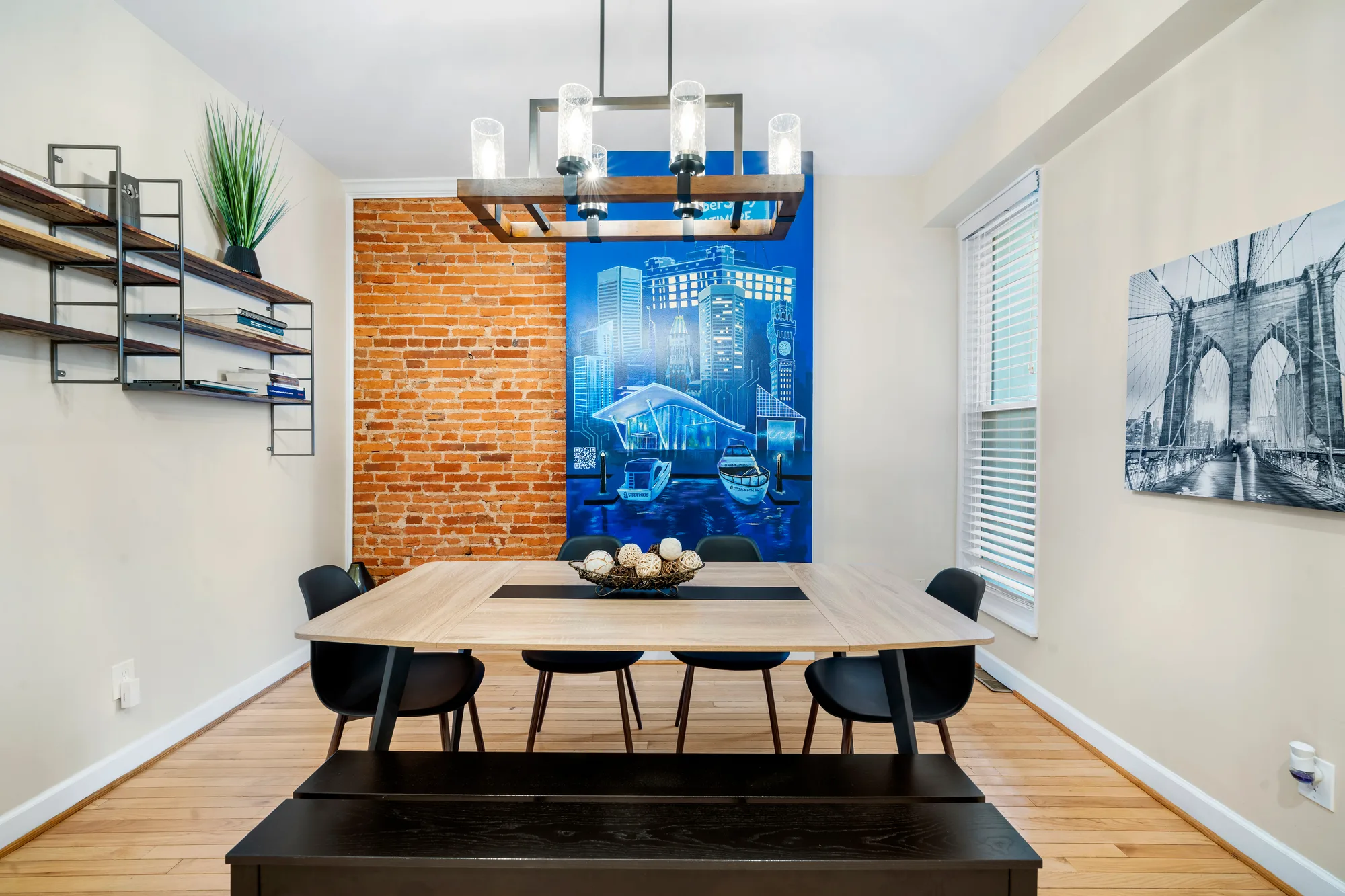
The reason is simple. Photos are what catch a buyer’s eye first, and listings with professional photos get more clicks and tend to sell faster than the phone-shot ones. On a six-figure sale, one shoot is a rounding error next to the commission. The agents who skip it usually pay for it in extra days on market.
The photos aren't the expense. A stale listing is.
Is professional real estate photography worth the money?
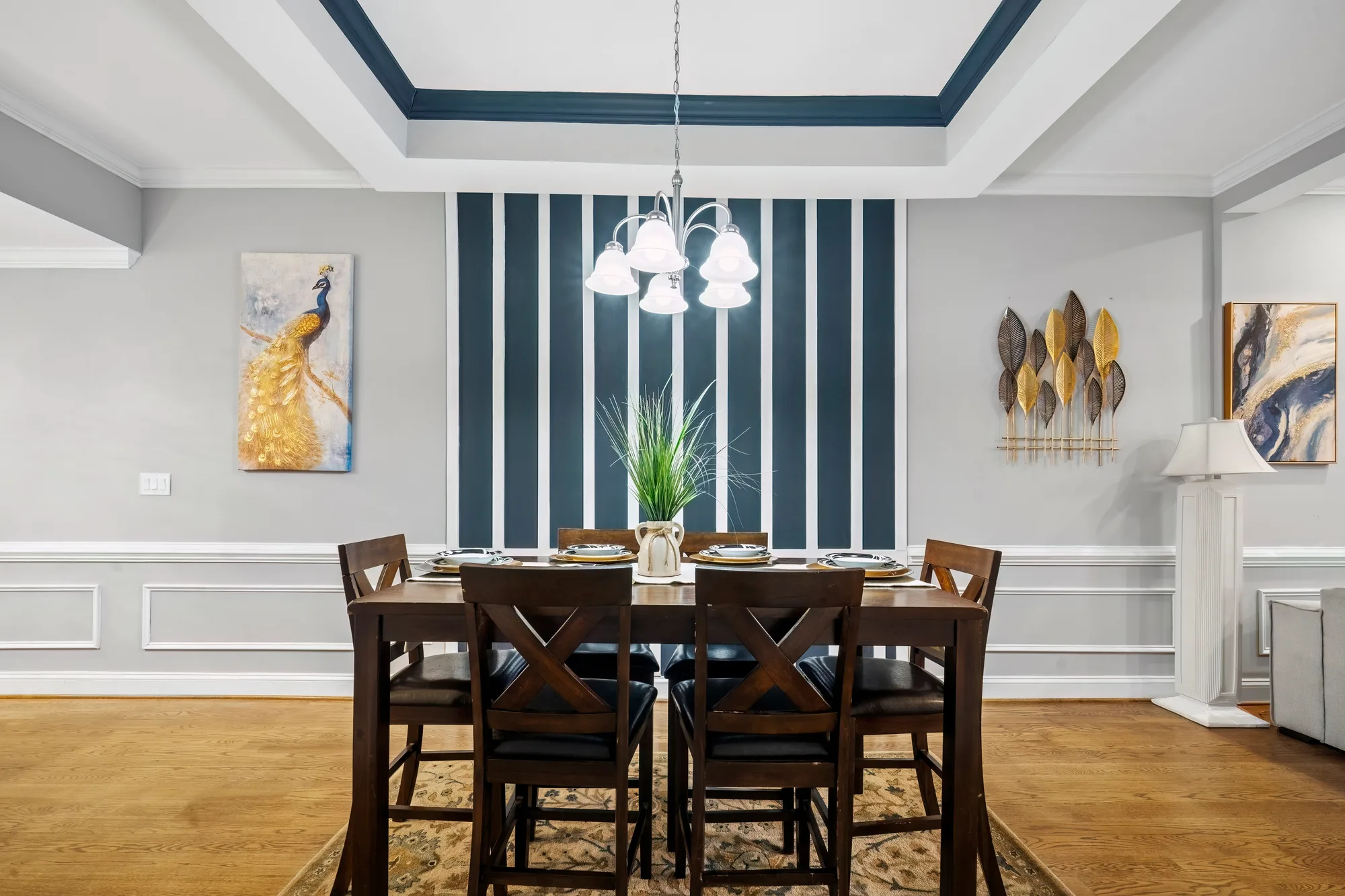
For anything at or above the local median, it isn’t close. The lead image decides whether a buyer clicks or scrolls past, and they decide in about a second. A professional photographer running full HDR with a proven track record charges more than someone newer handing you quick snaps, but the difference shows up in showings booked.
Looking at two quotes? Don’t stop at the price. Open each photographer’s portfolio and look at the work. Even light, straight verticals, rooms that look like somewhere you’d want to be. That tells you more than the rate does, and it’s the best read on whether you’ll get sharp, well-lit photos or flat files.
Commercial and larger jobs
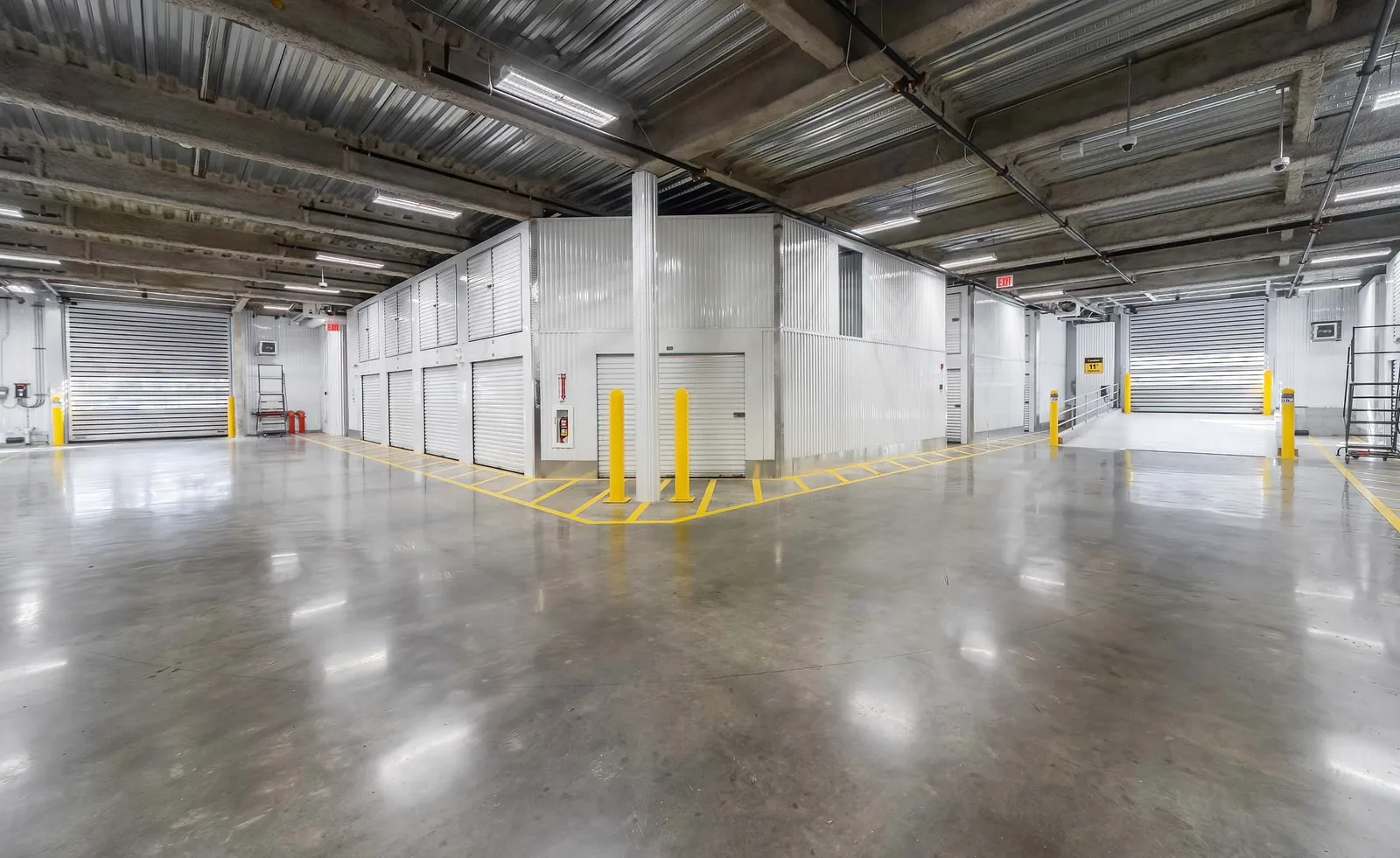
Office space, retail, and industrial property get quoted by scope rather than a flat tier. A storefront and a warehouse both need photos, and almost nothing else about the two jobs matches, so square footage and access set the number. The same HDR standard applies, just across a bigger footprint.
How to price out your own shoot
Start with the square footage. Add only what the place needs.
A 2,200 square foot home with HDR and a 360 tour is $275 for the photos and $400 for the tour. A 1,200 square foot rental that just needs HDR listing photos is $200 and you’re done. A high-end luxury listing might call for HDR, twilight, drone, and a tour together, because the stakes and the marketing budget are both bigger. Build the quote off the house in front of you, not a bundle you’ll half use. Every tier, bundle and add-on is on our real estate photography pricing page.
Running volume? Ask about repeat pricing. Photography costs tend to drop when the work is steady instead of one-off, and you get a consistent look across all your listings. When you’re ready, send the address and square footage and we’ll get you a number in writing within two business hours. Our real estate photography services page walks through what each line item covers and which combination a given listing actually needs.
Common questions
How much should I charge for real estate photos? Price them by square footage and how much editing the set needs. Start near $200 for a small home with HDR photos and work up from there. A tiered rate beats a flat fee, which always misprices one end of the market.
How much do realtors pay for photography? Most pay between $150 and $500 a listing, depending on home size and the add-ons they go for. Agents who shoot steady volume tend to land lower per-shoot rates.
What is the national average cost of real estate photography? The national average runs around $110 to $300 a shoot. That number hides a lot of regional price variation, since a New York shoot costs more than a small-town one.
How many photos do you get with a shoot? A standard shoot gives you roughly 25 to 40 photos for an average house, more if it’s a bigger property. You’re paying for full coverage of every room and the exterior, not a fixed count.
Why do some real estate photographers charge so much more than others? The gap comes down to editing depth, gear, experience, and market. Someone delivering full HDR with a strong portfolio charges more than someone handing over quick files, because buyers can tell the difference where it counts.
What’s included in a base package? HDR interior and exterior photos of the whole house, corrected and ready to post. Video, 360 tours, drone, twilight, and virtual staging are add-ons you pick per listing.
Can I add a video or virtual tour later? You can, but it’s a lot cheaper to get everything done in one visit. Booking a video and a tour alongside the photos puts you on the bundle price instead of paying for each service on its own. If it’s a rental, our Airbnb photography pricing covers that work.