Virtual staging
in New York City.
A vacant apartment photographs honestly and shows badly. Virtual staging puts furniture into the picture after the shoot, so somebody scrolling StreetEasy at midnight sees a room with a use instead of a bare floor. It's $50 per image, added to any shoot we run in the five boroughs.
Furniture added to the photograph, not to the apartment.
$50 per staged image.
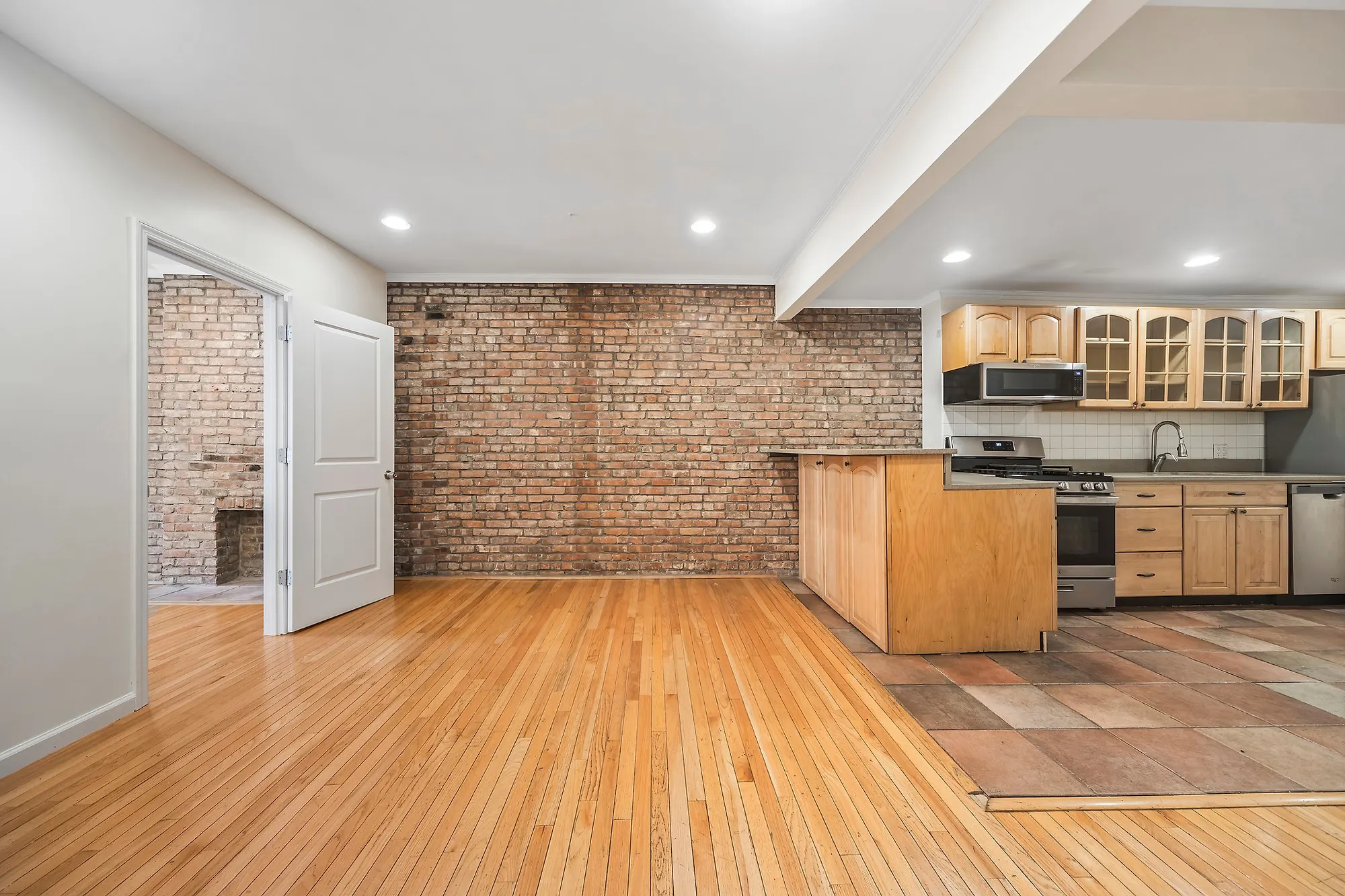
Virtual staging is digital furniture placed into a listing photograph after the shoot. Nothing physical enters the apartment. You don't book a truck, nobody carries a sofa up four flights, and the storage bill on a unit that hasn't closed never starts.
We photograph the vacant property the way we photograph every NYC listing: HDR on every frame, camera level, window light held against the interior so the glass isn't a white rectangle. Then the room gets furnished in the file. A sofa lands on the floor plane where a sofa would physically fit, the rug sits under it at the right scale, and the shadows follow the light that was already in the room. What comes back is the same photograph. It settles the question potential buyers ask about every empty space, which is whether their own furniture would fit in it.
Our virtual staging services are $50 per image, riding on a photography order we are already shooting, which makes staging a cost-effective line in the marketing budget for a vacant unit. HDR runs $200 to $575 by interior square footage. Most rooms take one frame, so staging three rooms on top of that usually adds $150, and we settle the frame count off your room list before anyone shows up with a camera. Our guide to virtual staging cost goes further into what a photographer's per-image price buys over an app's, and what two or three frames add to a shoot.
An empty room isn't a blank slate to a buyer. It's a math problem they'd rather not do standing up.
Some rooms get better with furniture in them. Several don't.
Two of them are no.
NYC agents who stage every frame in the set spend twice what they need to. You pay by the staged image, most rooms only need one, and on a vacant one-bedroom in Bed-Stuy or a finished unit in one of the new developments in Astoria, the whole job comes to two or three images. Real estate marketing budgets in New York get aimed at the wrong rooms far more often than they get overspent, so the call sheet below is what we walk through with agents before a shoot.
- Stage it
The main living space.
This is the first interior frame in almost every listing set on StreetEasy, and buyers size the whole apartment against it. An empty one gives them nothing to measure with, so they measure against the ceiling height and guess low. A sofa and a rug at true scale answer the question a floor plan leaves open.
- Stage it
The bedroom that has to fit a bed.
In a prewar one-bedroom in Manhattan, whether a queen fits with room to walk around is a real question, and it's the one that decides the showing. Digital furniture at correct scale settles it in one image.
- Stage it
The alcove, the bay, the odd corner.
Open layouts in Long Island City and prewar bays in Park Slope are exactly where a floor plan stops helping. A table and four chairs in the alcove tells a buyer what the alcove is for, which is worth more than another wide shot of the same bare floor.
- Skip it
Kitchens and bathrooms.
Cabinets, counters, tile and appliances are permanent, and they already fill the frame. A bowl of digital lemons on the island costs $50 and convinces nobody.
- Skip it
Any room with a permanent problem in it.
A radiator under the only window. The column in the middle of the floor. That soffit dropping the ceiling to seven feet over half the room. Furniture placed to hide any of those is the version of staging that produces a complaint at the showing and a harder second conversation.
The same frame, staged and unstaged.
The photograph first.
An NYC staging job is decided on shoot day, before anyone opens the file. A virtually staged photo is real estate photography with furniture on top, and digital furniture has to sit on a floor the software can find. A tilted camera, a blown-out window or a wall cropped halfway up gives it nowhere convincing to land, and the result reads as a sticker on a snapshot.
- Camera level and at chest height, so verticals stay vertical and the floor plane reads true. Tilt it, and the staged sofa slides downhill, which is the most common tell in cheap virtual staging.
- Wide enough to hold two walls and the floor where they meet, because that corner is what gives a room its depth on screen.
- Windows exposed against the interior instead of clipped white, so the added furniture has the same light on it that the room has.
- Nothing half in the frame. Radiators, door swings and closet edges sliced by the crop are where the staged version stops looking like the same room.
- The vacant unit swept and the outlet covers on. Digital furniture doesn't cover a dusty floor; it sits on top of one.
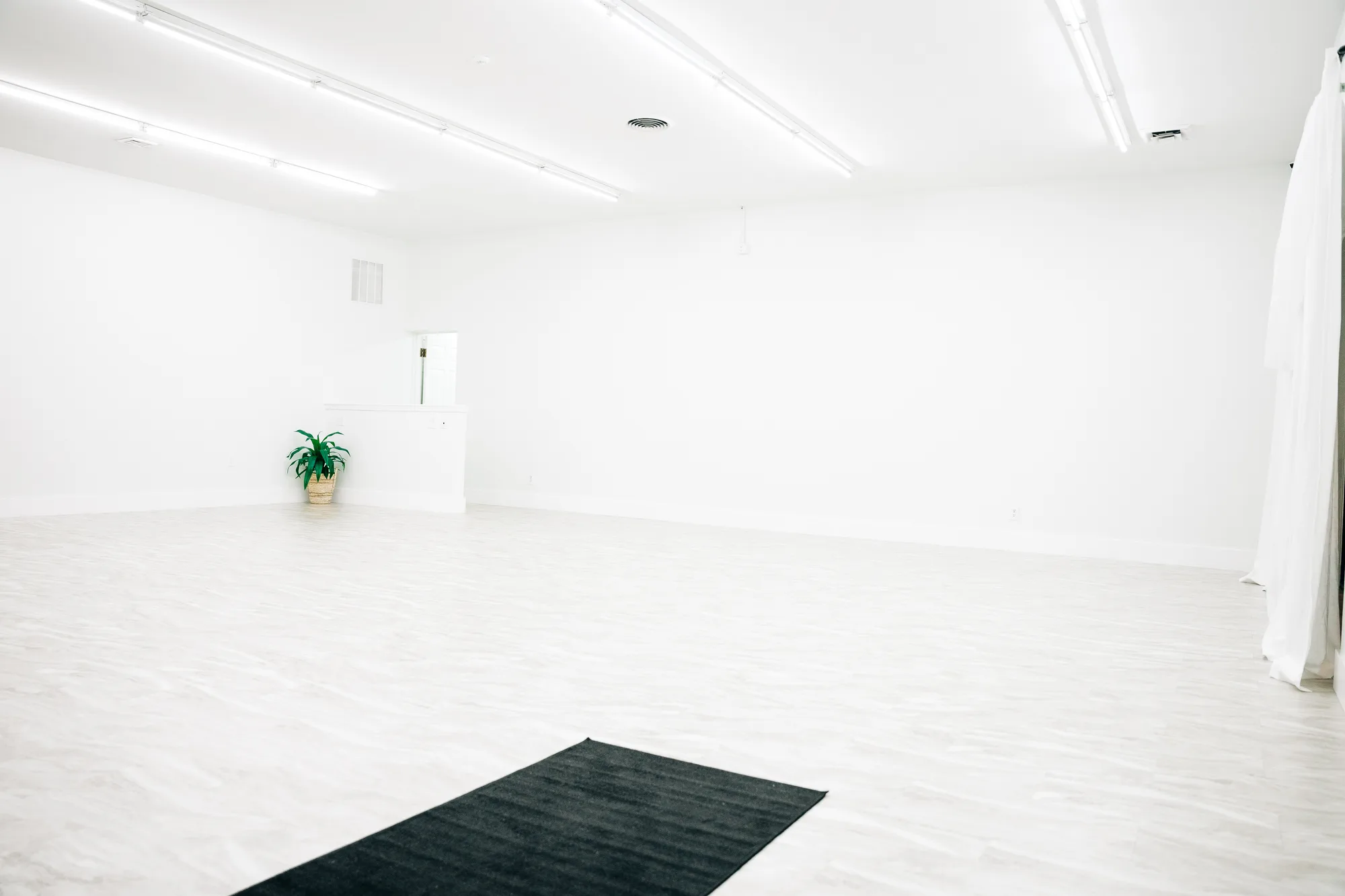
The two rows below are each a single exposure, shown twice. Our photographer shot this Upper East Side apartment vacant, and the staged version is that same file with furniture placed on it, which is why the brick, the floorboards and the light through the windows never move between the two.
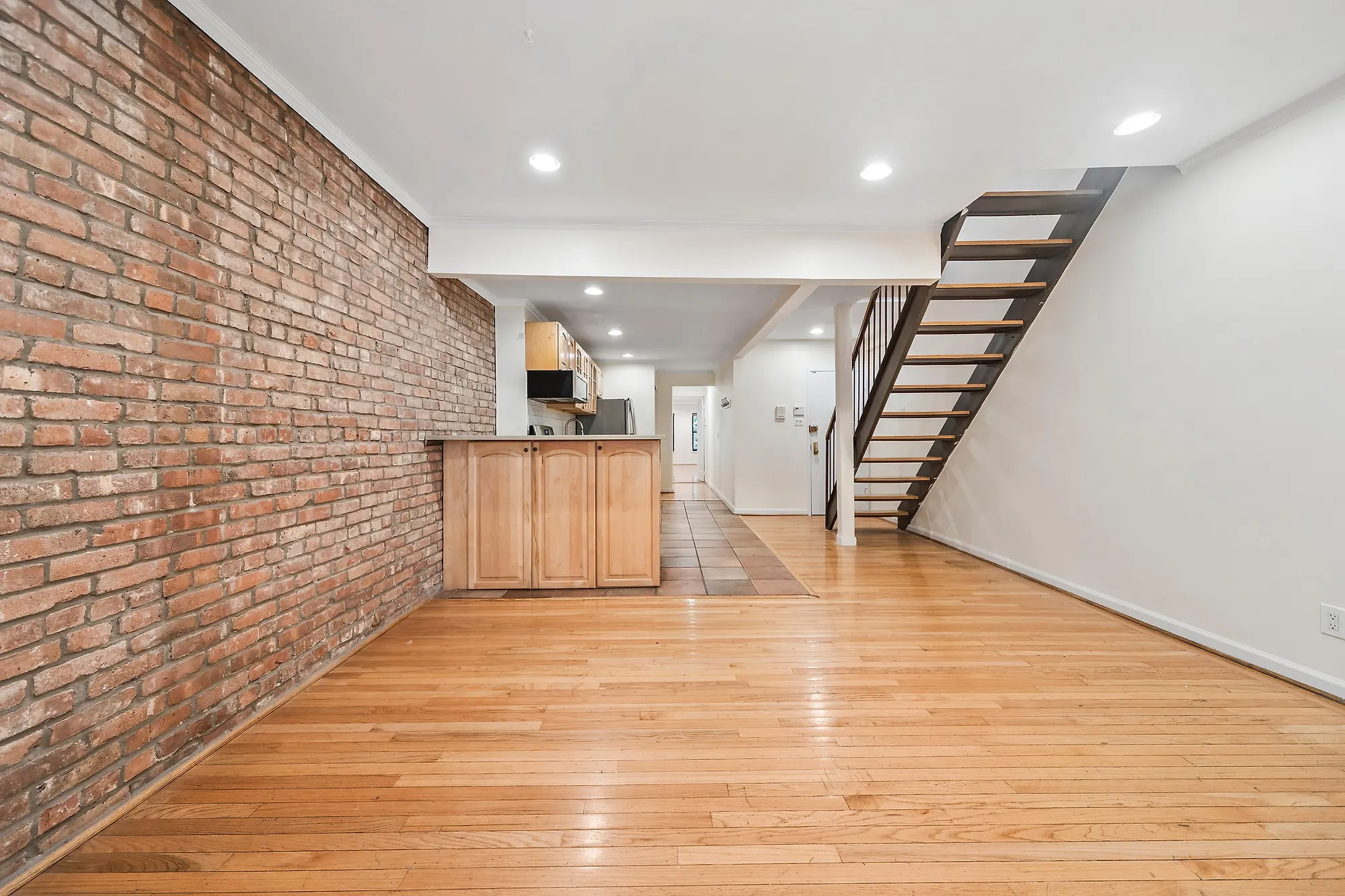
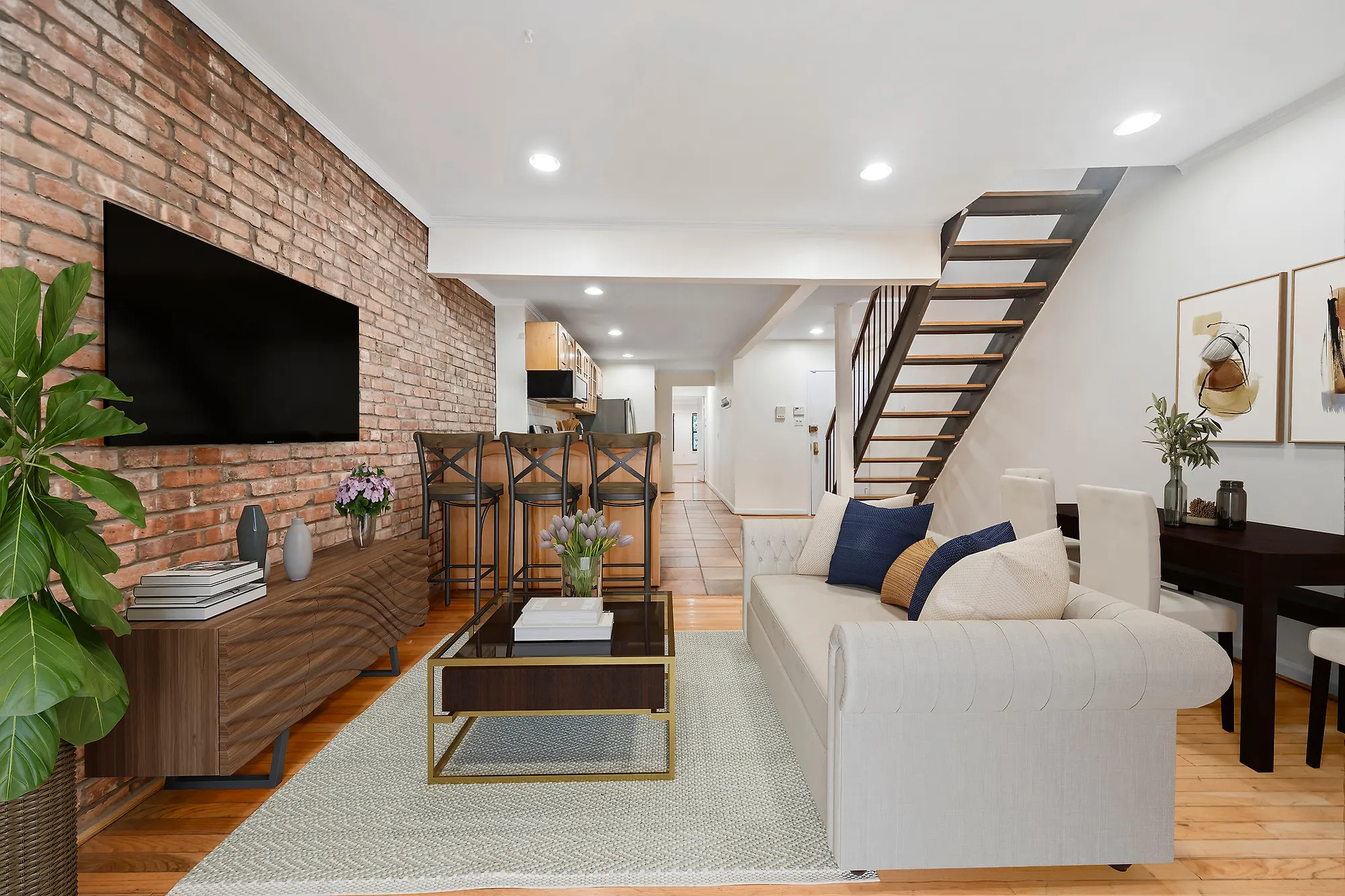
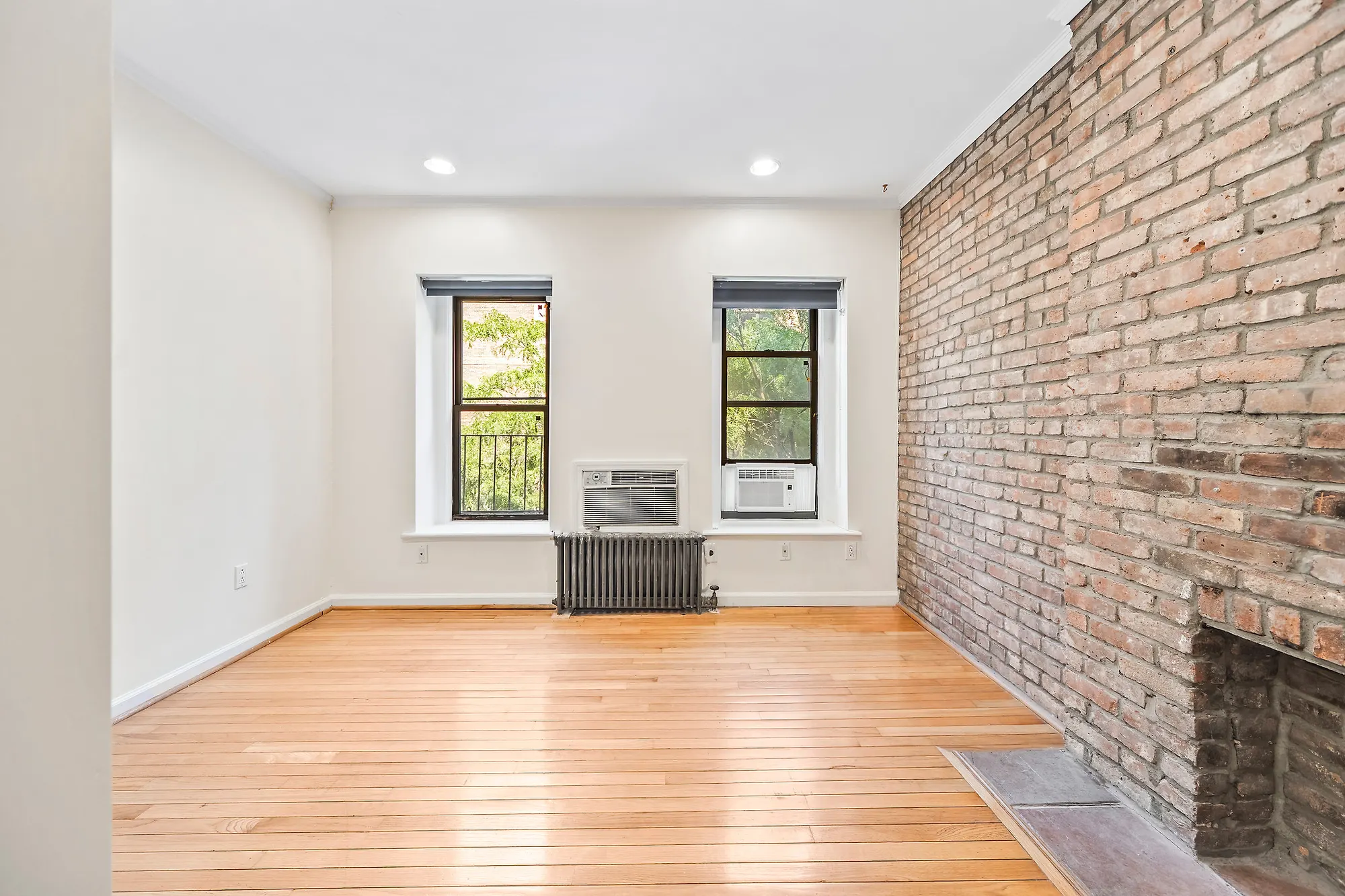
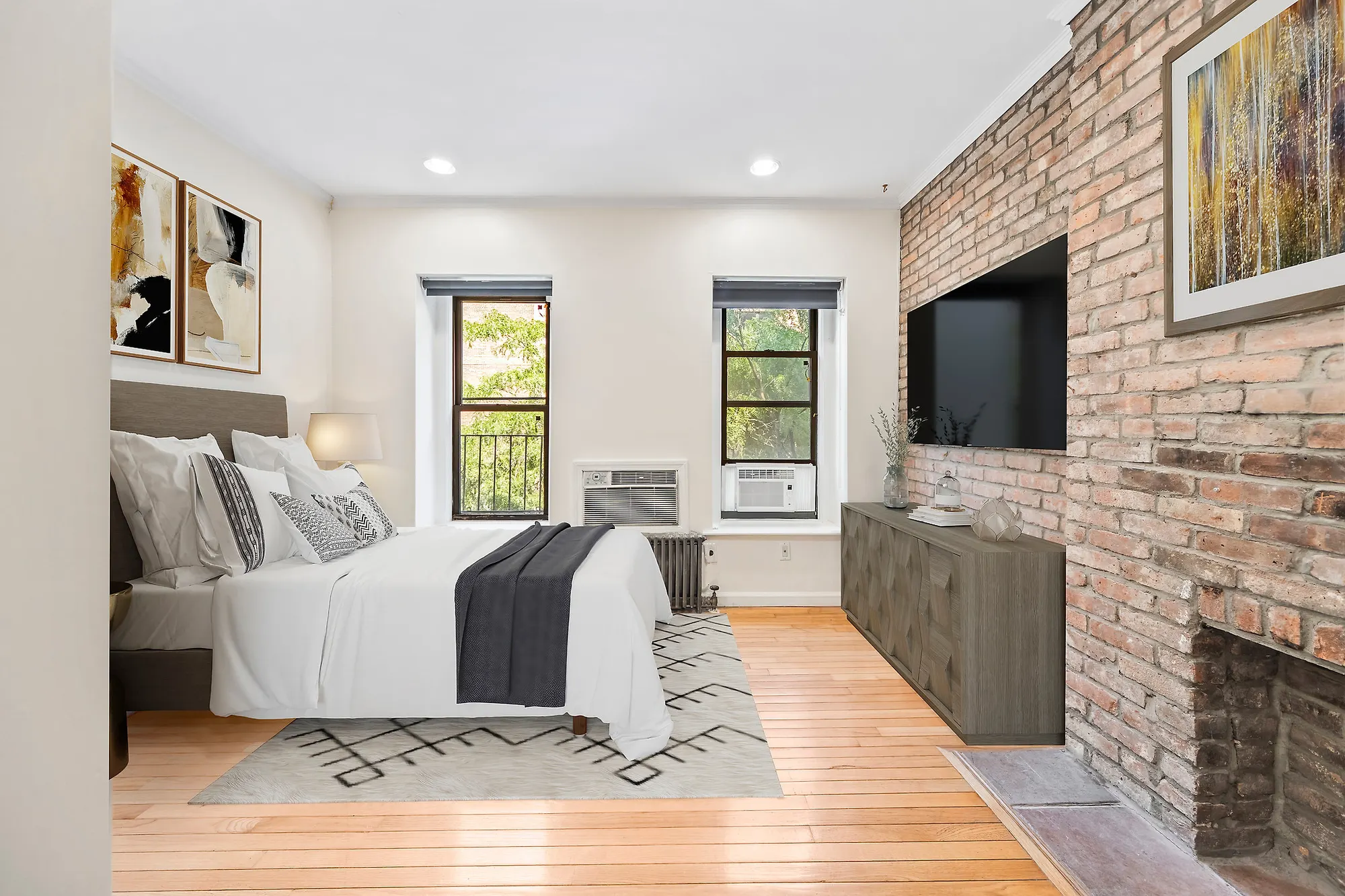
We label both virtually staged images wherever they run, and a listing should carry the same label.
Digital furniture and real furniture do different jobs.
One sells the room.
Virtual staging wins the click. Physical staging wins the walkthrough. Which one a listing needs depends on where it's losing people, and plenty of properties in New York want both on different rooms.
| Virtual staging | Physical staging | |
|---|---|---|
| What it costs with us | $50 per image, once | Not a service we sell |
| Where it appears | Listing photos and marketing | Photos and the showing itself |
| Rental term | None | Set by the staging company |
| Building access needed | Shoot day only | Delivery, staging, pickup |
| Disclosure on the listing | Yes, images are altered | No, the room is really furnished |
| Changes after delivery | Reworked in the file | A second visit with a truck |
Listing marketing in NYC happens on a phone long before anybody stands in the room, and the scroll is where most listings in the New York real estate market get skipped. A buyer working through a full page of results on StreetEasy or Zillow gives each one a glance, and an unfurnished living room in that lineup reads as smaller and colder than the identical room with a sofa in it. That glance is what $50 is buying.
Home staging companies in New York quote by the unit and by the month, and the real estate agents we work with tend to use both tools on different rooms. Physical furniture goes in the two rooms buyers will stand in. Virtual staging covers everything else the listing has to market online.
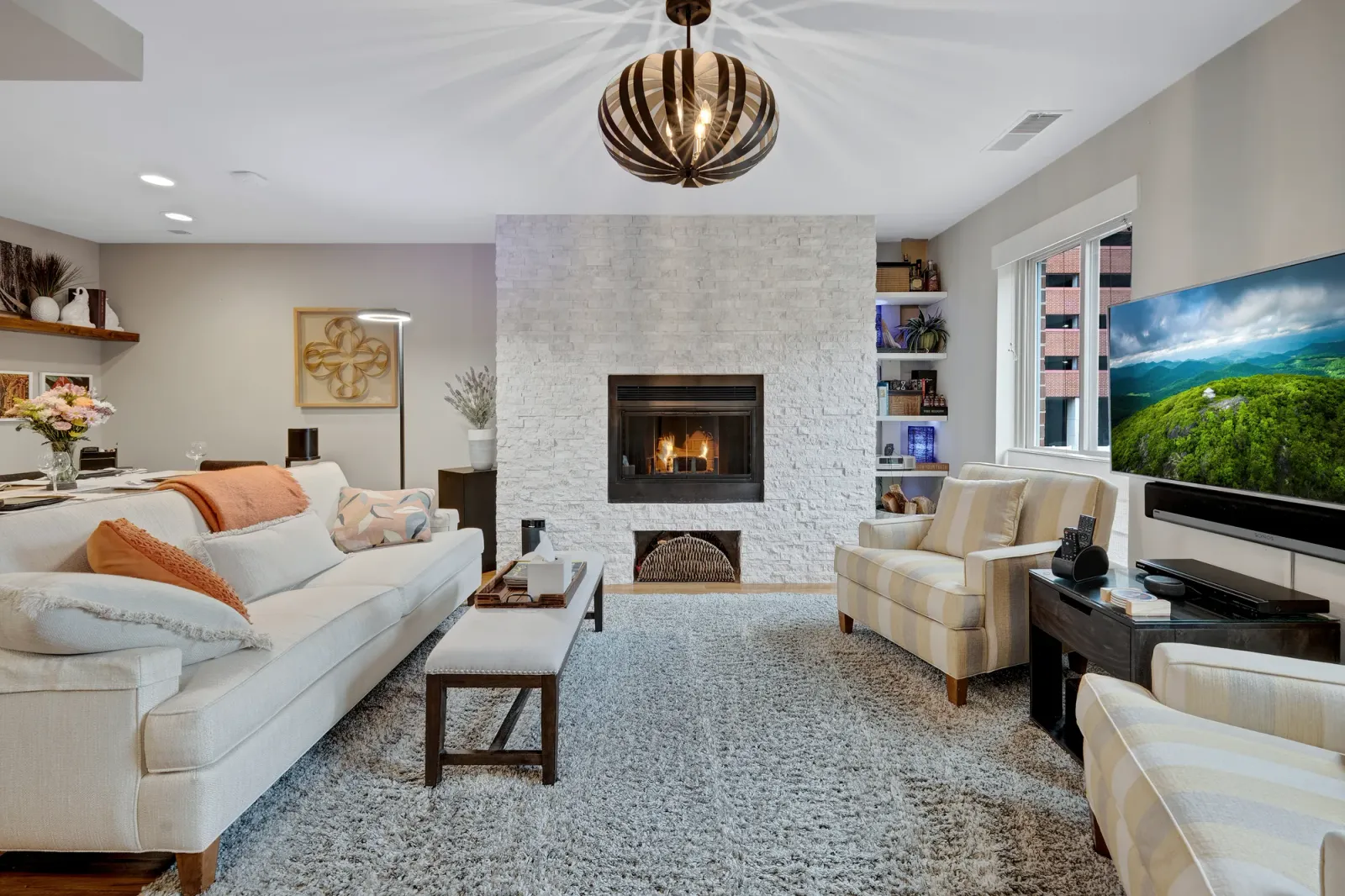
What it can't buy is the walkthrough. Somebody standing in a bare Fort Greene one-bedroom with a phone full of furnished photos of that same one-bedroom is doing a comparison you'd rather they weren't. On a high-end unit that gets real foot traffic, digital furniture on the listing and traditional staging in the room are doing two different jobs, and plenty of agents pay for both.
Add furniture. Don't repair the apartment.
stays in the photograph.
Virtual staging has an obvious line running through it, and we build the service around it, because a staged photo that lies is worse for an agent than no staged photo at all.
Furniture and decor, rugs, lamps, art on a wall, a bed made up in a bedroom: those are additions, and a buyer reads a virtually staged photo as a suggestion. Deleting a radiator under the window, erasing a column, painting over a water stain, swapping the view through the glass for a better one: those are edits to the property itself. The first set sells a room. The second set produces somebody standing in the actual apartment with your listing open on their phone, and that conversation costs more than the showing was worth.
So the rule at OpenDoors360 is short. Anything bolted to the building stays exactly as photographed, and anything we add is furniture a buyer could carry in through the door. The same rule sets the limit of what staging can do for you. It proves scale and use, and it is nothing like interior design. A unit that needs real design help before it markets well needs a professional stager, and we'll say so.
A staged photograph should flatter the room. It should never describe a different one.
Virtual staging in New York, answered.
Send the address.
What is virtual staging?
Virtual staging is furniture added to a listing photograph after the shoot. The room is photographed empty, then a sofa, a bed, a rug or a dining table is placed into the file at the scale the room would really hold, with shadows that follow the light already in the frame. Nothing physical is moved into the apartment and nothing about the room itself is altered.
How much does virtual staging cost in New York?
Virtual staging is $50 per image, added to a photography booking rather than sold on its own. HDR photography runs $200 to $575 depending on interior square footage. Most rooms take one frame, so staging the living room, the bedroom and a dining area is usually three images and adds $150 to whatever tier the property falls in. We agree the frame count with you from the room list before the shoot, and there is no minimum.
Do I have to disclose that a listing photo is virtually staged?
Assume yes. Materially altered listing images are disclosed as such under the standard most brokerages and MLS rules apply, and a staged photograph is a materially altered image. The exact wording and where it has to sit is a call for your brokerage and your MLS, not for a photographer. Keep the virtually staged photos separate from the untouched photos in your own listing set and the disclosure writes itself.
Which rooms should I stage?
The main living space, the bedroom a buyer needs to fit a bed into, and any alcove or bay whose purpose isn't obvious from the floor plan. Kitchens and bathrooms rarely earn it, because the cabinets, counters and appliances are permanent and already fill the frame. Staging works best where a buyer has to imagine something, so on a vacant NYC one-bedroom, two or three rooms is usually the whole job.
Is virtual staging cheaper than physical staging?
Our number is $50 per image, once, with no rental term attached. Home staging companies in New York City quote on their own terms and usually charge for delivery, a monthly rental, and a pickup, so compare their quote against ours directly instead of against an average. The honest difference is that physical furniture is there at the showing and digital furniture isn't.
Can virtual staging hide a problem with the apartment?
Adding furniture to an empty room is fair, and adding furniture is the whole of what we do with it. Removing a radiator, erasing a structural column, painting out water damage or replacing the view through the window is a different act, and it's the one that ends with an angry buyer standing in the actual room. Anything permanent stays in the photograph exactly as it was on the day, and we hold that line when a client asks otherwise.
What do you need from me to stage a listing?
The property address, the approximate interior square footage, which rooms you want staged, and your listing deadline. Square footage sets the photography tier, the room list becomes a frame count at $50 a frame, and the deadline sets the shoot date. Send those and we return a written quote, usually within two business hours.
Do you offer virtual staging outside New York City?
Virtual staging is available on every shoot we run, which covers all five boroughs of New York City and Baltimore, Maryland. The price is the same in both markets at $50 per image. Drone and aerial coverage is the one service limited to New York; staging isn't.
Book it with the photography, get it back with the photos.
One delivery link.
Tell us the address, the interior square footage, and which rooms you want furnished. The square footage puts the photography in a tier, the room list turns into a frame count at $50 a frame, and you see one quote covering both before the shoot. The high-resolution photos and their staged versions come back on one link. Turnaround time on HDR is 24 to 48 hours from the shoot. We've shot more than 250 properties across New York City and Baltimore since 2020, and the vacant ones are the listings that $50 line on the invoice was written for.
Staging books on the same order as the rest of the marketing set, which is how the real estate professionals we work with get the most out of one visit. The service page for our real estate photography lays out the tiers and what a booking includes, and the flagship new york real estate photography page covers how we work borough by borough. If you want to see the frames before you commit to anything, the portfolio is the honest version, real apartments shot as found.
A 360 virtual tour of the same unit is a separate service at $300 to $700 with six months of hosting included, and it answers a different question than a staged photo does. Rush scheduling runs $75 to $200 as an add-on when the calendar allows it. Every service we sell sits on one published sheet, so a quote for photography plus staging comes back as a single number, and you can hold it against anything else you have been quoted in New York.
Send the address.
We'll send a quote.
Send the property address, the approximate interior square footage, the rooms you want staged, and your listing deadline. If you're not sure which empty rooms are worth furnishing, say so and we'll pick them with you. A written quote comes back, usually within two business hours.
Related: real estate photography services · 360 virtual tours · contact a real estate photographer
